Why Alcohol Disrupts Your Sleep (Even Though It Makes You Drowsy)
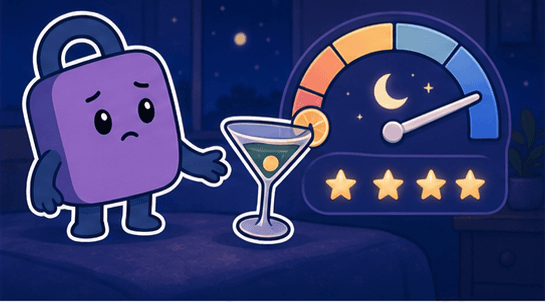
After a drink or two, you might feel relaxed and sleepy—perfect for bedtime, right? Not quite. While alcohol can make you drowsy initially, it actually sabotages your sleep quality in ways that leave you feeling tired the next day. Let's uncover the science behind alcohol's complex relationship with sleep.
The Sleep Paradox of Alcohol
You've probably experienced it: a glass of wine before bed helps you drift off quickly. This happens because alcohol is a central nervous system depressant—it slows down brain activity and makes you feel relaxed and sleepy. For many people, this sedative effect feels like the perfect sleep aid.
But here's the catch: falling asleep faster doesn't mean sleeping better. What alcohol gives you in the first half of the night, it takes away—with interest—in the second half. The drowsiness you feel is actually very different from natural, healthy sleep.
Important Distinction:
Alcohol-induced sedation is not the same as natural sleep. While you may lose consciousness faster, your brain isn't going through the restorative sleep cycles it needs.
How Alcohol Disrupts Sleep Architecture
Throughout the night, your brain cycles through different sleep stages, each serving a crucial purpose. Alcohol interferes with this delicate process in several ways:
Suppressed REM Sleep
Alcohol significantly reduces Rapid Eye Movement (REM) sleep, especially in the first half of the night. REM sleep is essential for memory consolidation, emotional processing, and cognitive function. Less REM sleep means you wake up feeling mentally foggy.
Fragmented Sleep
As your body metabolizes alcohol during the night, you're more likely to wake up multiple times. Even if you don't fully remember these awakenings, they prevent you from getting deep, continuous rest.
Disrupted Sleep Cycles
Alcohol throws off the natural rhythm of your sleep stages. Instead of smoothly transitioning through light sleep, deep sleep, and REM sleep, your brain gets stuck in lighter, less restorative stages.
Increased Bathroom Trips
Alcohol is a diuretic, meaning it makes you urinate more frequently. This can lead to multiple nighttime bathroom visits that further fragment your sleep.
Research shows that even moderate alcohol consumption—just one or two drinks—can reduce overall sleep quality by disrupting these essential sleep processes.
The REM Rebound Effect
Here's where things get particularly uncomfortable: the REM rebound effect. When alcohol suppresses REM sleep early in the night, your brain tries to compensate later by flooding you with extra REM activity once the alcohol wears off.
This REM rebound typically occurs in the second half of the night or early morning. During this time, your sleep becomes lighter and more disturbed as your brain attempts to catch up on the REM sleep it missed.
Vivid or Disturbing Dreams
The surge of REM activity can trigger intense, sometimes unsettling dreams or nightmares that may wake you up.
Night Sweats
As your body metabolizes alcohol and experiences REM rebound, you may wake up sweating or feeling uncomfortably warm.
Early Morning Wakefulness
You might find yourself wide awake at 3 or 4 AM, unable to fall back asleep despite feeling tired.
Restless Sleep
Tossing and turning becomes more frequent as your sleep becomes lighter and less stable.
This is why you might fall asleep easily after drinking but wake up feeling unrested—your brain never got the quality REM sleep it needed.
Better Sleep Strategies
Time Your Drinking Carefully
If you choose to drink, finish your last alcoholic beverage at least 3-4 hours before bedtime. This gives your body time to metabolize most of the alcohol before sleep, reducing its impact on your sleep architecture.
Stay Hydrated
Drink a glass of water between alcoholic beverages and before bed. Proper hydration can help mitigate some of alcohol's diuretic effects and reduce the likelihood of waking up with a dry mouth or headache.
Find Alternative Wind-Down Methods
Instead of relying on alcohol to relax, try establishing a calming bedtime routine with activities like reading, gentle stretching, meditation, or a warm bath. These help you relax naturally without disrupting your sleep cycles.
Protect Your Sleep Environment
Use Good Night Lock to prevent late-night phone use that might compound alcohol's sleep-disrupting effects. Reducing screen time before bed supports your natural sleep-wake cycle.
The Bottom Line on Alcohol and Sleep
While alcohol might seem like a shortcut to sleep, it's actually a detour away from quality rest. The sedation it provides is superficial, and the sleep disruption that follows can leave you feeling worse than if you'd skipped the drink altogether. For truly restorative sleep, focus on building healthy sleep habits and saving alcohol for earlier in the day when it won't interfere with your nightly rest.
⚠️ Important Notice
This article is for informational purposes only and is not a substitute for professional medical advice, diagnosis, or treatment. If you suspect you have a sleep disorder or any health condition, please consult a doctor or sleep specialist.

Take the First Step to Better Sleep
Build healthy sleep habits with Good Night Lock.
Download Good Night LockRelated Articles
Why Is It So Hard to Wake Up in the Morning? Understanding Sleep Inertia
Do you find yourself hitting the snooze button multiple times every morning? Feel like you need an extra hour of sleep no matter how long you slept? You're experiencing sleep inertia - a fascinating phenomenon that affects millions of people worldwide.
The Napoleon Sleep Method: The Truth About 4-Hour Sleep
Have you heard the story about Napoleon, the great conqueror, who exercised powerful leadership while sleeping only 4 hours a day? Is this sleep method really effective? And did Napoleon actually use this method?
Why Do We Dream So Often? The Science Behind Frequent Dreams
Why do we have vivid dreams on some nights while remembering nothing on others? Let's explore the science of dreams to understand why we dream and how we can enjoy more restful nights.
The Science of Pulling an All-Nighter: How 24 Hours Without Sleep Affects Your Body and Brain
Cramming for an exam, racing against a project deadline, or staying up all night with friends—we've all been there. But what actually happens to your body and brain when you go a full 24 hours without sleep? Let's explore the science behind all-nighters and learn how to handle them when they're truly unavoidable.
Melatonin Side Effects: What to Know About 5mg & 10mg Doses
Melatonin is a natural hormone and popular sleep aid that helps millions get better rest. However, different dosages can come with various side effects. Let's explore how melatonin works, what side effects to watch for at different doses, and how to use it safely.
Sleep Divorce: Can Sleeping Apart Actually Improve Your Relationship?
Sleeping in a separate room from your partner, commonly known as 'sleep divorce,' is gaining attention. According to a National Sleep Foundation survey, about 25% of couples already sleep apart, and this number is steadily increasing. If snoring, different sleep schedules, blanket-stealing, or temperature differences are degrading your sleep quality, sleeping separately might actually be the solution that saves your relationship. Let's explore whether sleep divorce really helps relationships, backed by scientific evidence.