The Napoleon Sleep Method: The Truth About 4-Hour Sleep
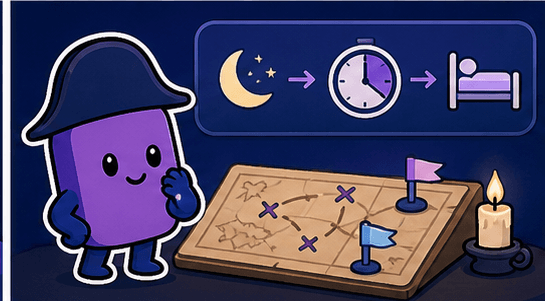
Have you heard the story about Napoleon, the great conqueror, who exercised powerful leadership while sleeping only 4 hours a day? Is this sleep method really effective? And did Napoleon actually use this method?
What is the Napoleon Sleep Method?
The so-called 'Napoleon Sleep Method' refers to a sleep pattern that supposedly allows you to maintain daily life with extremely short sleep duration. Many people become interested in this method to save time in our busy modern society.
However, this sleep method isn't simply about 'sleeping only 4 hours.' The key is maintaining your body's circadian rhythm consistently, allowing your body to adapt to less sleep time.
Core Principles of the Napoleon Sleep Method
Fixed Bedtime
Go to bed at the same time every day
Fixed Wake Time
Wake up at the same time every day
Strategic Napping
Utilize short naps during afternoon hours
The Shocking Truth: Napoleon Didn't Sleep 4 Hours
Historical records reveal a surprising fact. According to memoirs left by Napoleon's close associates, Napoleon slept an average of about 7 hours per day. Of course, his sleep was lacking during wars or busy periods, but in daily life, he got sufficient sleep.
So where did this name 'Napoleon Sleep Method' come from? It appears to be a kind of urban legend created in combination with Napoleon's strong image.
Key Point:
Modern people are always pressed for time. The idea that 'reducing sleep time makes the day longer' may sound attractive, but it lacks scientific basis.
Is 4-Hour Sleep Really Possible?
From a scientific perspective, 4 hours of sleep is absolutely insufficient for most adults. Let's examine the problems caused by sleep deprivation.
Cognitive Decline
Concentration, judgment, and memory sharply decline
Weakened Immunity
Easy exposure to diseases
Emotional Instability
Difficulty controlling emotions and increased depression
Metabolic Disorders
Increased risk of weight gain and diabetes
Cardiovascular Disease Risk
Increased risk of high blood pressure and heart disease
Short Sleepers vs Long Sleepers
Genetically, there are 'short sleepers' who are fine with short sleep. However, they make up only about 1-3% of the total population. Most people are 'normal sleepers' who need 7-9 hours of sleep, or 'long sleepers' who need more than 9 hours. Most people who think they're short sleepers have actually just adapted to chronic sleep deprivation.
Still Something to Learn: Regular Sleep Patterns
While the name and sleep duration of the Napoleon Sleep Method are wrong, the core of regular sleep patterns is very important.
Stabilized Body Clock
Your body knows exactly when to sleep and wake
Improved Sleep Quality
Sleeping at the same time allows for deeper and more efficient sleep
Increased Daytime Alertness
You can be more focused and energetic during active hours
Health Improvement
Regular sleep improves overall physical health
Effects of Strategic Napping
The drowsiness that comes between 1-3 PM is a natural circadian rhythm. A short 15-20 minute nap during this time increases afternoon work efficiency, is a healthier alertness method than caffeine, and improves memory and learning ability.
However, be careful: sleeping more than 30 minutes can lead you into deep sleep, making you more tired.
Realistic Sleep Strategy: Modified Napoleon Sleep Method
So what should we do? We suggest the following 'modified sleep method.'
Ensure Sufficient Sleep Time
Aim for 7-9 hours for adults. Find your optimal sleep time.
Consistent Sleep Schedule
Go to bed and wake up at the same time, even on weekends. It's effective to fix your wake time before your bedtime.
Healthy Sleep Hygiene
- Block blue light 1-2 hours before sleep
- Keep bedroom temperature at 18-20°C
- Avoid caffeine after 2 PM
- Regular exercise (but at least 3 hours before sleep)
Strategic Napping When Needed
15-20 minutes between 1-3 PM. Naps too late interfere with nighttime sleep.
Finding Your Own Sleep Pattern
The most important thing is finding a sleep pattern that works for you. Check these signals.
Signs of Sufficient Sleep
- ✓Waking up naturally without an alarm
- ✓Not sleepy during the day
- ✓Good concentration and stable mood
- ✓Not sleeping more than 1 hour extra on weekends
Signs of Sleep Deprivation
- ✗Can't wake up without an alarm
- ✗Tired throughout the morning
- ✗Severe drowsiness in the afternoon
- ✗Sleeping 2+ hours more on weekends
- ✗Easily irritable with mood swings
Quality Over Quantity, and Regularity
Here's the truth about the Napoleon Sleep Method: drastically reducing sleep time is dangerous, but regular sleep patterns are very important.
The idea that you must sacrifice sleep to achieve great things is wrong. Rather, many successful historical figures understood the value of sufficient sleep.
Your body and brain need recovery and maintenance time every night. Sleep is not a waste but the most productive investment.
Start Tonight
- Decide what time you'll wake up tomorrow morning
- Subtract 7-8 hours from that to determine your bedtime tonight
- Keep this schedule every day
Your body will soon thank you for this regularity.
⚠️ Important Notice
This article is for informational purposes only and is not a substitute for professional medical advice, diagnosis, or treatment. If you suspect you have a sleep disorder or any health condition, please consult a doctor or sleep specialist.

Take the First Step to Better Sleep
Build healthy sleep habits with Good Night Lock.
Download Good Night LockRelated Articles
Why Is It So Hard to Wake Up in the Morning? Understanding Sleep Inertia
Do you find yourself hitting the snooze button multiple times every morning? Feel like you need an extra hour of sleep no matter how long you slept? You're experiencing sleep inertia - a fascinating phenomenon that affects millions of people worldwide.
Why Alcohol Disrupts Your Sleep (Even Though It Makes You Drowsy)
After a drink or two, you might feel relaxed and sleepy—perfect for bedtime, right? Not quite. While alcohol can make you drowsy initially, it actually sabotages your sleep quality in ways that leave you feeling tired the next day. Let's uncover the science behind alcohol's complex relationship with sleep.
Why Do We Dream So Often? The Science Behind Frequent Dreams
Why do we have vivid dreams on some nights while remembering nothing on others? Let's explore the science of dreams to understand why we dream and how we can enjoy more restful nights.
The Science of Pulling an All-Nighter: How 24 Hours Without Sleep Affects Your Body and Brain
Cramming for an exam, racing against a project deadline, or staying up all night with friends—we've all been there. But what actually happens to your body and brain when you go a full 24 hours without sleep? Let's explore the science behind all-nighters and learn how to handle them when they're truly unavoidable.
Melatonin Side Effects: What to Know About 5mg & 10mg Doses
Melatonin is a natural hormone and popular sleep aid that helps millions get better rest. However, different dosages can come with various side effects. Let's explore how melatonin works, what side effects to watch for at different doses, and how to use it safely.
Sleep Divorce: Can Sleeping Apart Actually Improve Your Relationship?
Sleeping in a separate room from your partner, commonly known as 'sleep divorce,' is gaining attention. According to a National Sleep Foundation survey, about 25% of couples already sleep apart, and this number is steadily increasing. If snoring, different sleep schedules, blanket-stealing, or temperature differences are degrading your sleep quality, sleeping separately might actually be the solution that saves your relationship. Let's explore whether sleep divorce really helps relationships, backed by scientific evidence.