Benefits of Melatonin: Managing Your Sleep Naturally
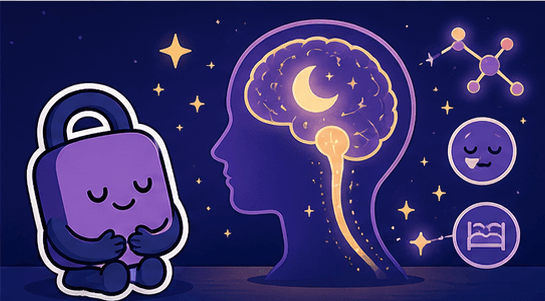
Melatonin is often called the 'sleep hormone,' but its benefits extend far beyond just helping you fall asleep. This natural hormone produced by your brain plays a crucial role in regulating your sleep-wake cycle and offers numerous health benefits. Let's explore how melatonin works and how it can help manage your sleep quality.
What is Melatonin?
Melatonin is a hormone naturally produced by the pineal gland in your brain. Its production is influenced by light exposure—it increases in darkness and decreases in light. This is why we naturally feel sleepy when it gets dark and alert when exposed to bright light.
As we age, our natural melatonin production tends to decrease, which is one reason why older adults often experience sleep difficulties. Understanding how melatonin works can help you make informed decisions about optimizing your sleep.
Key Fact
Melatonin production typically begins about 2 hours before your natural bedtime and peaks in the middle of the night, then gradually decreases toward morning.
Health Benefits of Melatonin
Research has identified numerous benefits of melatonin beyond just sleep regulation:
Improved Sleep Quality
Melatonin helps reduce the time it takes to fall asleep and can improve overall sleep quality, making you feel more rested upon waking.
Jet Lag Relief
Melatonin is highly effective for managing jet lag, helping your body adjust to new time zones by resetting your internal clock.
Antioxidant Properties
Melatonin is a powerful antioxidant that helps protect cells from damage and may support overall immune function.
Eye Health Support
Studies suggest melatonin may help protect eye health due to its antioxidant properties and role in regulating ocular pressure.
Seasonal Depression Help
Melatonin supplementation may help manage symptoms of seasonal affective disorder (SAD) by regulating circadian rhythms.
How to Naturally Boost Melatonin
There are several ways to enhance your body's natural melatonin production:
Reduce Blue Light Exposure
Limit screen time 2-3 hours before bed. Blue light from phones and computers suppresses melatonin production.
Get Morning Sunlight
Exposure to bright light in the morning helps regulate your circadian rhythm and promotes better melatonin production at night.
Eat Melatonin-Rich Foods
Tart cherries, nuts (especially pistachios and walnuts), eggs, and fish are natural sources of melatonin or its precursors.
Create a Dark Sleep Environment
Use blackout curtains and remove light sources from your bedroom to maximize natural melatonin production.
Melatonin Supplements: What to Know
If you're considering melatonin supplements, here are important points to understand:
Important Note
While melatonin is available over-the-counter in many countries, it's classified as a prescription medication in others. Always check local regulations and consult with a healthcare professional before starting any supplement regimen.
Who Can Benefit from Melatonin?
Melatonin may be particularly helpful for:
Harnessing the Power of Melatonin
Melatonin is a remarkable hormone that plays a vital role in sleep regulation and overall health. Whether through natural production or supplementation, maintaining healthy melatonin levels can significantly improve your sleep quality and well-being.
By understanding how melatonin works and implementing lifestyle changes that support its natural production, you can take an important step toward better sleep and improved health.
⚠️ Important Notice
This article is for informational purposes only and is not a substitute for professional medical advice, diagnosis, or treatment. If you suspect you have a sleep disorder or any health condition, please consult a doctor or sleep specialist.

Take the First Step to Better Sleep
Build healthy sleep habits with Good Night Lock.
Download Good Night LockRelated Articles
Why Is It So Hard to Wake Up in the Morning? Understanding Sleep Inertia
Do you find yourself hitting the snooze button multiple times every morning? Feel like you need an extra hour of sleep no matter how long you slept? You're experiencing sleep inertia - a fascinating phenomenon that affects millions of people worldwide.
Why Alcohol Disrupts Your Sleep (Even Though It Makes You Drowsy)
After a drink or two, you might feel relaxed and sleepy—perfect for bedtime, right? Not quite. While alcohol can make you drowsy initially, it actually sabotages your sleep quality in ways that leave you feeling tired the next day. Let's uncover the science behind alcohol's complex relationship with sleep.
The Napoleon Sleep Method: The Truth About 4-Hour Sleep
Have you heard the story about Napoleon, the great conqueror, who exercised powerful leadership while sleeping only 4 hours a day? Is this sleep method really effective? And did Napoleon actually use this method?

Why Do We Dream So Often? The Science Behind Frequent Dreams
Why do we have vivid dreams on some nights while remembering nothing on others? Let's explore the science of dreams to understand why we dream and how we can enjoy more restful nights.
The Science of Pulling an All-Nighter: How 24 Hours Without Sleep Affects Your Body and Brain
Cramming for an exam, racing against a project deadline, or staying up all night with friends—we've all been there. But what actually happens to your body and brain when you go a full 24 hours without sleep? Let's explore the science behind all-nighters and learn how to handle them when they're truly unavoidable.
Melatonin Side Effects: What to Know About 5mg & 10mg Doses
Melatonin is a natural hormone and popular sleep aid that helps millions get better rest. However, different dosages can come with various side effects. Let's explore how melatonin works, what side effects to watch for at different doses, and how to use it safely.