Complete Guide to Sleep Apnea: Symptoms, Causes, Diagnosis, and Treatment
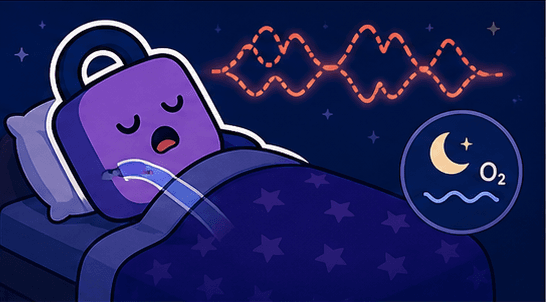
Do you sleep enough at night but still feel tired in the morning? Does your partner complain about your loud snoring? Have you ever woken up gasping for air? These symptoms could be signs of 'sleep apnea.' Let's learn about this common yet dangerous sleep disorder that affects approximately 20% of adults.
🛠️ Quick Check
Assess your sleep apnea risk right now with a simple checklist.
What is Sleep Apnea?
Sleep apnea is a sleep disorder in which breathing repeatedly stops or becomes shallow during sleep. 'Apnea' refers to a complete cessation of breathing for 10 seconds or more, while 'hypopnea' means a 30% or greater reduction in breathing accompanied by a drop in oxygen saturation.
In severe cases, breathing can stop more than 30 times per hour, or hundreds of times throughout the night. Each time breathing stops, the brain detects the 'danger signal' and briefly awakens to resume breathing. You may not remember these arousals, but they disrupt deep sleep, leading to accumulated fatigue.
Sleep apnea doesn't just reduce sleep quality. Left untreated, it significantly increases the risk of serious complications such as hypertension, heart disease, stroke, and diabetes.
Three Types of Sleep Apnea
Obstructive Sleep Apnea (OSA)
The most common type (84% of cases). Occurs when the soft tissue at the back of the throat relaxes during sleep and blocks the airway. Risk factors include obesity, large neck circumference, and a small jaw.
Central Sleep Apnea (CSA)
Less common type. Occurs when the brain fails to send signals to the breathing muscles. Associated with heart failure, stroke, and opioid use.
Complex Sleep Apnea
A combination of obstructive and central sleep apnea. Often discovered during the treatment process.
Symptoms of Sleep Apnea
Sleep apnea is often noticed first by a bed partner rather than the person affected. If you have the following symptoms, you should consider being evaluated.
Nighttime Symptoms
- •Loud snoring (especially irregular, interrupted snoring)
- •Witnessed pauses in breathing during sleep
- •Waking up gasping or choking
- •Frequent awakenings or restless sleep
- •Nocturia (going to the bathroom 2+ times per night)
- •Night sweats
Daytime Symptoms
- •Morning headaches
- •Dry mouth or sore throat
- •Excessive daytime sleepiness
- •Difficulty concentrating and memory problems
- •Irritability, mood swings, depression
- •Decreased libido
Does Snoring = Sleep Apnea?
Not all snoring indicates sleep apnea. However, the combination of 'loud, irregular snoring + daytime fatigue' strongly suggests sleep apnea. Pay special attention if snoring is interrupted by periods of silence followed by gasping or choking sounds—this pattern indicates breathing pauses.
Causes and Risk Factors
Anyone can develop sleep apnea, but certain factors significantly increase the risk.
Physical Factors
Overweight/Obesity
The biggest risk factor. A BMI of 25+ doubles the risk; 30+ quadruples it. Fat around the neck compresses the airway.
Large Neck Circumference
Increased risk if neck circumference exceeds 17 inches (43cm) for men or 16 inches (40cm) for women.
Anatomical Structure
Small jaw, large tonsils, large tongue, narrow airway.
Nasal Congestion
Chronic nasal congestion due to deviated septum, rhinitis, etc.
Demographic Factors
Sex
Men are 2-3 times more likely than women. However, post-menopausal women's risk approaches that of men.
Age
Risk increases sharply after age 40 and is most common in those over 60.
Family History
Having a family member with sleep apnea increases risk 2-4 times.
Lifestyle Factors
Alcohol
Alcohol relaxes throat muscles, worsening airway obstruction.
Smoking
Causes inflammation and swelling in the upper airway.
Sedatives/Sleeping Pills
Muscle relaxation worsens airway obstruction.
What Happens If Sleep Apnea Goes Untreated
Sleep apnea is not 'just snoring.' Left untreated, it can lead to serious health problems.
Cardiovascular Disease
Repeated oxygen deprivation puts significant stress on the heart and blood vessels.
- •2-3x increased risk of hypertension
- •Increased risk of coronary artery disease
- •2.4x risk of heart failure
- •4x risk of atrial fibrillation (arrhythmia)
- •2x risk of stroke
Metabolic Disorders
Sleep apnea increases insulin resistance and disrupts metabolism.
- •Increased risk of type 2 diabetes
- •Weight gain vicious cycle
- •Non-alcoholic fatty liver disease
Cognitive and Mental Health
Chronic sleep fragmentation affects brain function.
- •Memory and concentration problems
- •2x risk of depression
- •Anxiety disorders
- •Increased risk of dementia
Safety Risks
Daytime sleepiness can lead to serious accidents.
- •2-7x increased risk of motor vehicle accidents
- •Increased risk of workplace accidents
- •More work-related errors
Importance of Treatment
The good news is that treating sleep apnea significantly reduces these risks. Patients receiving CPAP therapy see their cardiovascular disease risk return to near-normal levels, and daytime sleepiness and quality of life improve dramatically.
How Sleep Apnea is Diagnosed
If you suspect sleep apnea, consulting a specialist is essential. There are several diagnostic testing methods available.
Polysomnography (PSG)
The 'gold standard' test conducted overnight at a sleep clinic or hospital.
What's Measured
- •Brain waves (sleep stage analysis)
- •Eye movements
- •Electromyography (muscle activity)
- •Electrocardiogram
- •Airflow
- •Abdominal/chest breathing movements
- •Oxygen saturation
- •Snoring
✓ Most accurate and detailed information
✗ Requires overnight hospital stay; expensive
Home Sleep Test (HST)
A simplified test you can do comfortably at home.
What's Measured
- •Airflow
- •Oxygen saturation
- •Heart rate
- •Body position
✓ Convenient and affordable
✗ Limited information; difficulty diagnosing central apnea
Apnea-Hypopnea Index (AHI)
An index indicating the number of apneas and hypopneas per hour.
Severity Classification
Normal: AHI < 5
Mild: AHI 5-14
Moderate: AHI 15-29
Severe: AHI ≥ 30
Treatment Options for Sleep Apnea
Treatment for sleep apnea varies depending on severity and cause. Multiple treatment options are often used together.
CPAP (Continuous Positive Airway Pressure)
The most effective first-line treatment. Delivers continuous air pressure through a mask to prevent airway collapse.
Pros
- ✓Immediate effectiveness
- ✓Most effective treatment
- ✓Reduces complication risks
Cons
- ✗Requires adjustment period (1-2 weeks)
- ✗Mask discomfort
- ✗Inconvenient for travel
CPAP Adjustment Tips
- •Start by wearing it briefly during the day to adjust
- •Mask fit adjustment is important (prevent leaks)
- •Use humidifier feature to prevent dryness
- •Must use at least 4 hours daily for effectiveness
Oral Appliance (MAD)
A dental device that advances the lower jaw to widen the airway. Suitable for mild to moderate apnea or patients who can't tolerate CPAP.
✓ Portable, quiet
✗ Less effective than CPAP, jaw discomfort
Surgical Treatment
Various surgical options to physically widen the airway.
- •Tonsillectomy/adenoidectomy (especially effective in children)
- •Soft palate surgery (UPPP)
- •Tongue base surgery
- •Maxillomandibular advancement (MMA)
- •Hypoglossal nerve stimulation (Inspire)
Positional Therapy
When sleeping on your back, gravity causes the tongue and soft tissues to fall backward and block the airway. Simply sleeping on your side can reduce apneas by more than 50%.
- •Attach a tennis ball to the back of pajamas
- •Use electronic positional alert devices
- •Use a wedge pillow
Lifestyle Changes
Lifestyle improvements are essential alongside all treatments.
Weight Loss
A 10% weight loss reduces AHI by 26%. The most fundamental treatment.
Quit Smoking
Reduces upper airway inflammation, improves overall sleep quality.
Limit Alcohol
No alcohol within 4 hours of bedtime.
Sleep Hygiene
Regular sleep schedule, comfortable sleep environment.
Living with Sleep Apnea
Being diagnosed with sleep apnea can be frustrating. But with proper treatment, you can live a normal life. Many people actually experience significant improvements in quality of life after diagnosis and treatment.
Keys to CPAP Success
- •The first 2 weeks are the hardest - don't give up
- •Try different masks (find the one that fits you)
- •Build a habit of using it every night
- •Regular equipment checks and mask replacements
- •Join support groups to share tips
Traveling with CPAP
- •Consider a portable CPAP (lightweight models)
- •Can be carried on airplanes (medical equipment)
- •Prepare travel voltage adapters
- •Check battery backup options
Tips for Partners/Family
- •Understand the importance of treatment together
- •Encourage and support CPAP use
- •Remember that you benefit too (reduced snoring)
- •Sleeping separately when needed is okay
Frequently Asked Questions (FAQ)
Can I have sleep apnea without snoring?
Yes, it's possible. Central sleep apnea can occur without snoring. Also, some obstructive apnea patients may not have severe snoring.
Can losing weight cure sleep apnea?
In mild cases, weight loss alone can sometimes cure it. However, in moderate to severe cases, weight loss improves symptoms but other treatments like CPAP are often still needed.
Do I have to use CPAP for life?
In most cases, yes. Sleep apnea is a condition to be managed rather than cured. However, weight loss, surgery, or other treatments may allow some people to discontinue CPAP. Regular reassessment is important.
Can children have sleep apnea?
Yes. Pediatric sleep apnea is mainly caused by enlarged tonsils/adenoids. Symptoms may differ from adults (ADHD-like behavior, bedwetting, etc.). Most cases can be treated with surgery.
Should I not drive if I have sleep apnea?
Untreated severe sleep apnea carries a very high risk of drowsy driving. However, if you're being treated with CPAP and have no daytime sleepiness, you can drive safely.
When Should You See a Doctor?
See a sleep specialist if you have these symptoms:
- ⚠️Loud, irregular snoring (especially with breathing pause patterns)
- ⚠️Witnessed breathing pauses during sleep
- ⚠️Waking up gasping or choking
- ⚠️Extreme daytime sleepiness despite adequate sleep
- ⚠️Frequent morning headaches
- ⚠️High blood pressure not well controlled with medication
Which Specialist Should You See?
ENT (Sleep Clinic)
Pulmonology
Neurology (Sleep Medicine)
Sleep Medicine Center
Conclusion: Early Detection and Treatment Are Key
Sleep apnea is extremely common but serious. The good news is that diagnosis and treatment are well-established, and treatment outcomes are excellent.
Start today: If you or a family member suspects symptoms, use the sleep apnea risk checklist. If your risk comes back high, don't delay consulting a specialist.
Breathing is fundamental to life. You should be able to breathe comfortably even while sleeping. Treating sleep apnea isn't just about reducing snoring—it's about protecting your heart health, brain function, and overall quality of life.
Wishing you a night of comfortable breathing and deep sleep. 💙
⚠️ Important Notice
This article is for informational purposes only and is not a substitute for professional medical advice, diagnosis, or treatment. If you suspect you have a sleep disorder or any health condition, please consult a doctor or sleep specialist.

Take the First Step to Better Sleep
Build healthy sleep habits with Good Night Lock.
Download Good Night LockRelated Articles
Complete Guide to REM Sleep Behavior Disorder: Why You Scream or Kick While Sleeping
Has your partner ever suddenly screamed, swung their fists, or jumped out of bed while sleeping? Or have you woken up from a vivid nightmare to find yourself hitting a wall? This could be 'REM Sleep Behavior Disorder (RBD)'. Let's explore this unusual sleep disorder.
Complete GABA Guide: Effects on Sleep and Proper Intake
Have you searched for GABA supplements because you can't sleep? 'Natural sedative', 'stress relief', 'sleep improvement'... The ads are flashy, but do they really work? Let's explore GABA's impact on sleep and the scientific evidence.
Complete Guide to Ecklonia Cava Benefits: Effects on Sleep and Scientific Evidence
Have you heard about 'Ecklonia cava extract' gaining attention as a sleep supplement? Can this brown seaweed growing along Korean and Japanese coasts really help with sleep? Let's explore the sleep benefits of Ecklonia cava extract with scientific research.
Sleep and Disc Health: Why Poor Sleep Causes Back Pain
Do you wake up with a stiff or aching back? Learn how your sleep position and mattress affect spinal health, and discover the right sleeping methods for those with disc problems.
Why Your Back Hurts When You Wake Up: Causes and Solutions
Waking up with a stiff, aching back is something many of us experience. Why does back pain occur even after a full night's sleep? In this article, we explore the causes of morning back pain and effective solutions to fix it.
Top Vitamin D Foods and Their Impact on Sleep
Did you know that vitamin D deficiency affects nearly 1 billion people worldwide and is strongly linked to poor sleep quality? This essential nutrient plays a crucial role in regulating your sleep-wake cycle, and getting enough through your diet can dramatically improve your rest.