Still Tired After Sleeping? Everything About Sleep Debt
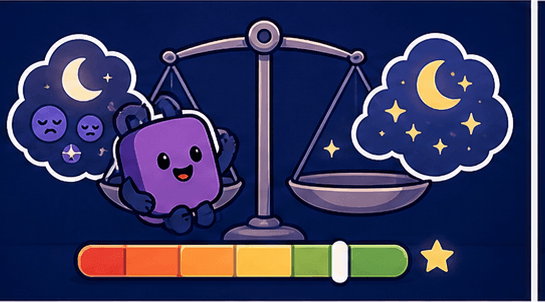
If you feel tired even after sleeping, you might be carrying 'sleep debt.' Learn what sleep debt is and why it's dangerous.
What is Sleep Debt?
Sleep debt is the cumulative difference between the amount of sleep you need and the amount you actually get. Like financial debt, it accumulates, and if you don't pay it back, interest accrues.
For example, if you need 7 hours but only sleep 6, you accumulate 1 hour of debt per day. That's 7 hours per week, 30 hours per month.
Key Concept
Sleep debt is like bank debt. Small shortfalls add up to big debt, and you pay 'interest' with your health.
Symptoms of Sleep Debt
Various symptoms appear when sleep debt accumulates. You might be chronically sleep-deprived without even knowing it.
Daytime Drowsiness
Even when you think you've slept enough, your eyelids feel heavy in the afternoon.
Decreased Concentration
You frequently zone out during work or study, and make more mistakes.
Mood Swings
You get irritated by small things and become easily sensitive.
Can't Function Without Coffee
You become dependent on caffeine and need increasing amounts.
Sleeping In on Weekends
Needing to sleep 2+ hours more than weekdays is a sign of debt.
The Truth About 6 Hours of Sleep
Think 6 hours is enough? Research says otherwise. Sleeping only 6 hours daily for 2 weeks results in cognitive impairment equal to staying awake for 48 hours straight.
The problem is you don't notice this decline. You feel 'adapted' to less sleep, but you've actually just become accustomed to a diminished state.
Sleep Duration Impact Comparison
Long-term Risks of Sleep Debt
Ignoring sleep debt leads to serious health problems beyond simple fatigue.
Weakened Immunity
4x more likely to catch colds, and recovery is slower.
Weight Gain
Appetite hormone imbalance leads to overeating.
Cardiovascular Disease
Risk of hypertension and heart disease increases significantly.
Diabetes
Increased insulin resistance raises diabetes risk.
Mental Health
Higher risk of depression and anxiety disorders.
Check Your Sleep Debt
Answer these questions. If 3 or more apply, you likely have accumulated sleep debt.
Sleep Debt Checklist
Isn't falling asleep in 5 minutes a good thing?
No. Healthy adults typically fall asleep in 10-20 minutes. Falling asleep within 5 minutes is a sign of severe sleep deprivation.
Start Paying Back Your Sleep Debt Today
Sleep debt is not something you can ignore. Even if you seem fine now, your body is quietly recording the debt.
The good news is that with the right approach to improving sleep habits, you can reduce debt and regain your health. How about going to bed just 30 minutes earlier tonight?
⚠️ Important Notice
This article is for informational purposes only and is not a substitute for professional medical advice, diagnosis, or treatment. If you suspect you have a sleep disorder or any health condition, please consult a doctor or sleep specialist.

Take the First Step to Better Sleep
Build healthy sleep habits with Good Night Lock.
Download Good Night LockRelated Articles
Why Is It So Hard to Wake Up in the Morning? Understanding Sleep Inertia
Do you find yourself hitting the snooze button multiple times every morning? Feel like you need an extra hour of sleep no matter how long you slept? You're experiencing sleep inertia - a fascinating phenomenon that affects millions of people worldwide.
Why Alcohol Disrupts Your Sleep (Even Though It Makes You Drowsy)
After a drink or two, you might feel relaxed and sleepy—perfect for bedtime, right? Not quite. While alcohol can make you drowsy initially, it actually sabotages your sleep quality in ways that leave you feeling tired the next day. Let's uncover the science behind alcohol's complex relationship with sleep.
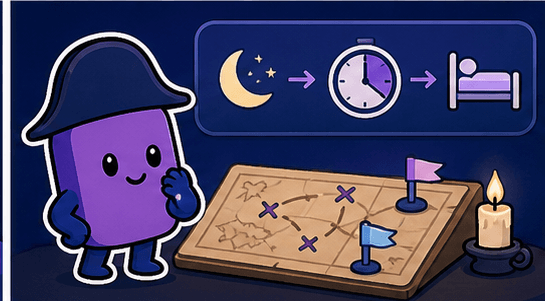
The Napoleon Sleep Method: The Truth About 4-Hour Sleep
Have you heard the story about Napoleon, the great conqueror, who exercised powerful leadership while sleeping only 4 hours a day? Is this sleep method really effective? And did Napoleon actually use this method?
Why Do We Dream So Often? The Science Behind Frequent Dreams
Why do we have vivid dreams on some nights while remembering nothing on others? Let's explore the science of dreams to understand why we dream and how we can enjoy more restful nights.
The Science of Pulling an All-Nighter: How 24 Hours Without Sleep Affects Your Body and Brain
Cramming for an exam, racing against a project deadline, or staying up all night with friends—we've all been there. But what actually happens to your body and brain when you go a full 24 hours without sleep? Let's explore the science behind all-nighters and learn how to handle them when they're truly unavoidable.
Melatonin Side Effects: What to Know About 5mg & 10mg Doses
Melatonin is a natural hormone and popular sleep aid that helps millions get better rest. However, different dosages can come with various side effects. Let's explore how melatonin works, what side effects to watch for at different doses, and how to use it safely.