Blue Light Blocking Glasses: Do They Really Help Your Eyes and Sleep?
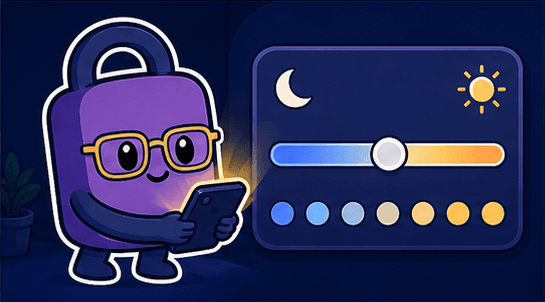
You've probably heard claims that blue light blocking glasses reduce eye strain and improve sleep. But do they really work? Let's explore the science behind blue light glasses, their actual effects, and how to choose the right pair.
What Are Blue Light Blocking Glasses?
Blue light blocking glasses use special coatings or lens materials to filter out blue light (380-500nm wavelength) emitted from digital devices. Many products have yellow or orange lens tints, but clear lens options are also available.
Special Coating
Lenses have a blue light reflective coating applied.
Tinted Lenses
Yellow or orange lenses absorb blue light.
Blocking Rate
Products vary in their blue light blocking percentage.
Prescription Available
Can be made with prescription lenses if needed.
Effects of Blue Light Blocking Glasses
Research on blue light blocking glasses has produced mixed results. Some effects are scientifically proven, while others are still debated.
Research-Backed Effects
Improved Sleep Quality
Wearing before bed helps normalize melatonin production
Reduced Eye Discomfort
Alleviates eye fatigue during prolonged screen work
Reduced Sleep Delay
Helps you fall asleep faster
Debated Effects
Macular Degeneration Prevention
Long-term eye damage prevention remains unclear
Headache Relief
Individual results vary with no consistent findings
Improved Focus
Lacks scientific evidence
Scientific Research Findings
Let's look at key research findings on blue light blocking glasses.
University of Houston Study
Wearing 3 hours before bed increased melatonin by 58%, improved sleep quality
Cochrane Review (2023)
Evidence for eye fatigue reduction, but insufficient proof of long-term vision protection
Sleep Research Journal
Reduced sleep onset time by 20 minutes in insomnia patients
American Academy of Ophthalmology
Helps with digital eye strain, but not a cure-all
Who Should Use Blue Light Blocking Glasses?
Not everyone needs them, but certain groups may benefit.
Recommended For
- •People who view digital screens more than 6 hours daily
- •Heavy computer or smartphone users in the evening
- •Those with sleep problems or insomnia
- •People experiencing digital eye strain symptoms
Optional For
- •General office workers
- •Those already using device night mode
- •People with limited screen time
- •Those without particular eye discomfort
How to Choose the Right Blue Light Glasses
A guide to selecting effective blue light blocking glasses.
Check Blocking Rate
Choose products with at least 30% blue light blocking
Lens Color
Orange/amber lenses are more effective for sleep improvement
Comfort
Select frames comfortable for extended wear
UV Protection
Products with UV blocking are recommended
Certification
Verify manufacturer's blocking rate test results
Purpose Separation
Use different glasses for daytime and nighttime
Alternatives to Blue Light Glasses
There are other ways to protect your eyes from blue light besides glasses.
Device Settings
Use night mode, dark mode, or blue light filter apps
20-20-20 Rule
Every 20 minutes, look at something 20 feet away for 20 seconds
Adjust Screen Brightness
Lower brightness to match ambient lighting
Digital Detox
Avoid digital devices 2 hours before bed
Important Considerations
- •Blue light glasses don't solve all eye problems
- •Consult an eye specialist for serious symptoms
- •Avoid dark-tinted lenses while driving
- •Cheap products may have lower actual blocking effectiveness
- •Consult a professional before using on children
Make a Smart Choice
Blue light blocking glasses can help improve sleep and reduce digital eye strain, but they're not a magic solution. The most effective approach is reducing screen time and avoiding digital devices before bed.
If you choose blue light glasses, select a quality product and use it correctly. Remember that this is just one part of overall eye health and sleep hygiene management.
⚠️ Important Notice
This article is for informational purposes only and is not a substitute for professional medical advice, diagnosis, or treatment. If you suspect you have a sleep disorder or any health condition, please consult a doctor or sleep specialist.

Take the First Step to Better Sleep
Build healthy sleep habits with Good Night Lock.
Download Good Night LockRelated Articles
The Surprising Benefits of Sleep Socks: Why Warming Your Feet Helps You Sleep
Did you know that wearing socks to bed can help you fall asleep faster? While it may sound like an old wives' tale, there's actually solid scientific evidence behind this practice. Discover how sleep socks can improve your sleep quality and learn the proper way to use them.
Can't Sleep? 4 Science-Backed Tips to Fall Asleep Fast
We've all experienced lying in bed, tossing and turning, unable to fall asleep. Trying to force sleep often makes it worse. Discover 4 scientifically proven methods to naturally fall asleep when you can't sleep.
Miracle Morning: Experience the Magic of Early Rising
The Miracle Morning is a life-transforming morning routine that has helped millions of people worldwide achieve greater success, happiness, and health. By waking up early and dedicating time to personal development, you can unlock your full potential and create lasting positive change in your life.
Better Sleep: Smart Ways to Get Deep, Quality Rest
Getting quality sleep is essential for physical health, mental clarity, and overall well-being. Yet many people struggle to achieve truly restful sleep. This comprehensive guide explores scientifically-backed strategies to help you fall asleep faster, sleep more deeply, and wake up feeling refreshed.
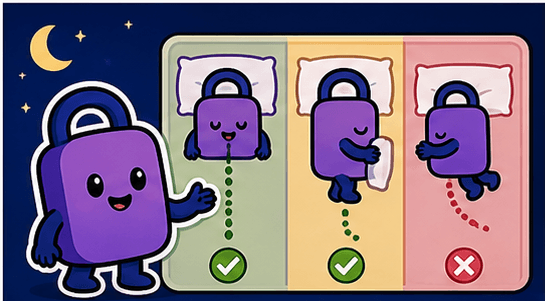
Check Your Sleep Position: Finding the Best Way to Sleep
Your sleep position affects more than just your comfort—it can impact your breathing, digestion, spine alignment, and even skin health. Many people sleep in the same position for years without realizing how it might be affecting their sleep quality. Let's examine different sleep positions and help you find the best one for your needs.

Gift Ideas for Students: Thoughtful Presents to Support Hard-Working Students
Students face intense pressure during exam periods, juggling long study hours with stress and sleep deprivation. A thoughtful gift can provide comfort, improve their well-being, and show your support during these challenging times. Here are the best gift ideas to help students stay healthy, focused, and encouraged.