Body Heat and Sleep: Understanding Your Internal Thermostat
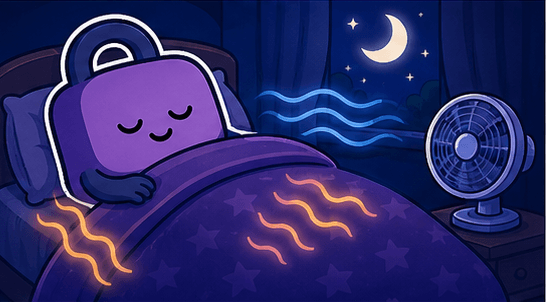
Have you ever noticed how your hands and feet get warmer right before you fall asleep? Or how you sometimes feel too hot in bed even when the room is cool? Your body's temperature regulation system plays a crucial role in sleep quality—and understanding it can help you sleep better.
Your Body's Sleep-Temperature Connection
Sleep and body temperature are intimately connected through your circadian rhythm. As evening approaches, your body temperature begins to drop—a signal to your brain that it's time for sleep. This temperature decrease of about 1-2°F (0.5-1°C) is not just a side effect of sleep; it's actually a trigger for it.
Your core body temperature reaches its lowest point around 4-5 AM, which is why you might need more blankets in the early morning hours. Understanding this natural cycle helps explain why temperature management is so crucial for good sleep.
The Thermoregulation Process:
Your body redistributes heat from your core to your extremities (hands and feet) before sleep, which is why they feel warmer while your core cools down.
Why Some People Sleep Hot
Do you constantly kick off blankets or wake up sweating? Several factors determine whether you're a 'hot sleeper.'
Metabolic Rate
Higher metabolism generates more body heat, especially in younger adults and athletes
Hormonal Factors
Menstruation, pregnancy, and menopause affect temperature regulation; thyroid issues also play a role
Body Composition
More muscle mass generates more heat; body fat insulates and retains heat
Medications
Antidepressants, hormones, and some blood pressure medications can increase body temperature or sweating
Sleep Environment
Poor ventilation, heavy bedding, or foam mattresses that trap heat
The Science of Heat Dissipation During Sleep
Your body has several mechanisms for releasing heat during sleep, and understanding them helps you optimize your sleep environment.
Research published in Temperature journal shows that improved heat dissipation correlates directly with better sleep quality and faster sleep onset.
Peripheral Vasodilation
Blood vessels in hands and feet expand to release heat—this is why warm feet help you fall asleep
Evaporative Cooling
Sweating and respiration release heat through moisture evaporation
Radiation
Your body radiates heat to cooler surroundings through skin surface
Convection
Air movement across skin carries away body heat
Cooling Strategies for Hot Sleepers
If you're a naturally hot sleeper, these science-backed strategies can help.
Optimize Room Temperature
Keep bedroom at 60-67°F (15-19°C); hot sleepers often do better at the cooler end (60-65°F)
Choose Cooling Bedding
Natural fibers like cotton, linen, or bamboo; avoid synthetic materials that trap heat
Use a Cooling Mattress Pad
Gel-infused or water-based toppers regulate temperature throughout the night
Try the 'Warm Bath Paradox'
A warm bath 60-90 minutes before bed triggers cooling afterward, helping sleep onset
Strategic Fan Use
Position fans to create gentle airflow without direct blasting
Keep Extremities Uncovered
Leaving hands and feet outside blankets facilitates heat release
When Body Heat Indicates a Problem
While being a hot sleeper is usually just personal physiology, sometimes it signals underlying issues.
See a Doctor If You Experience:
- •Night sweats soaking sheets even in cool rooms
- •Sudden changes in body temperature patterns
- •Fever or chills during sleep
- •Hot flashes disrupting sleep multiple times nightly
- •Temperature issues accompanied by weight changes, anxiety, or heart palpitations
Medical Conditions That Affect Sleep Temperature
- •Hyperthyroidism (overactive thyroid)
- •Sleep apnea
- •Anxiety disorders
- •Hormonal imbalances
- •Certain infections or autoimmune conditions
The Cold Feet Phenomenon
Interestingly, while your core needs to cool for sleep, having warm feet actually helps you fall asleep faster. This seeming contradiction has a scientific explanation.
Warming your feet dilates blood vessels, which allows heat to escape from your core more efficiently. This is why wearing socks to bed can help you fall asleep faster—even though your overall body temperature needs to drop.
Pro Tip for Sleep Onset:
Try warming your feet (with socks or a hot water bottle) 20-30 minutes before bed. This speeds up the body's cooling process and helps you fall asleep faster.
Working With Your Body's Temperature Rhythm
Your body's temperature regulation during sleep is a finely tuned biological process that evolved over millions of years. Modern sleep problems often arise from fighting against this natural system—rooms that are too warm, bedding that traps heat, or habits that interfere with cooling.
The key is working with your body rather than against it: support the natural cooling process, create an optimal thermal environment, and pay attention to your individual needs. Hot sleepers and cold sleepers alike can achieve better rest by understanding and optimizing their personal thermoregulation.
Temperature might be the most underrated factor in sleep quality. Small adjustments to your sleep environment and habits can yield surprisingly large improvements in how quickly you fall asleep and how well you stay asleep.
⚠️ Important Notice
This article is for informational purposes only and is not a substitute for professional medical advice, diagnosis, or treatment. If you suspect you have a sleep disorder or any health condition, please consult a doctor or sleep specialist.

Take the First Step to Better Sleep
Build healthy sleep habits with Good Night Lock.
Download Good Night LockRelated Articles
Summer Sleep Temperature: The Science of Sleeping Cool
Learn how heat affects your sleep and discover science-backed strategies for sleeping comfortably in summer.
Optimal Sleep Temperature Guide
Find your perfect sleep temperature and understand why it matters for sleep quality.
Should You Wear Socks to Bed?
The surprising science of warming your feet for better sleep.