Mattress Guide: The Science Behind Your Bed
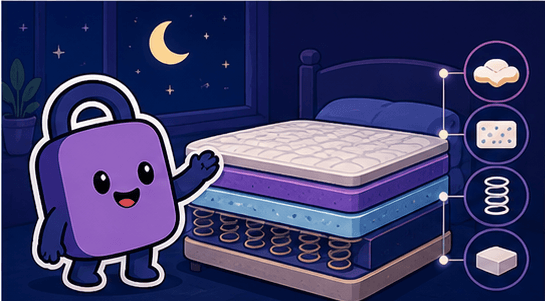
Have you heard that choosing a bed is a science? In reality, your mattress significantly impacts sleep quality. Let's explore scientifically why the right mattress matters and which type suits you best.
How Mattresses Affect Your Sleep
We spend about one-third of our lives in bed. A good mattress helps maintain spinal alignment, distribute pressure, and regulate body temperature.
Spinal Alignment
Maintains natural S-curve of spine, preventing back pain
Pressure Distribution
Evenly distributes body weight, promoting blood circulation
Motion Isolation
Absorbs partner movement for uninterrupted sleep
Temperature Regulation
Breathable materials provide comfortable sleep environment
Types of Mattresses and Their Features
Mattresses are mainly divided into spring, memory foam, latex, and hybrid types. Learn the pros and cons of each.
Spring Mattress
Excellent breathability, firm support, good value
Possible noise, limited pressure distribution
Memory Foam Mattress
Conforms to body shape, excellent pressure relief, motion isolation
Heat retention, initial odor, heavy
Latex Mattress
Natural material, antibacterial, excellent bounce, durable
Expensive, heavy, allergy concerns
Hybrid Mattress
Combines spring and foam benefits, support and comfort together
Relatively expensive, heavy
Mattress Recommendations by Sleep Position
The ideal mattress varies depending on your sleeping position.
Back Sleepers
Need support for lower back while maintaining natural spine curvature.
Side Sleepers
Need cushioning to absorb pressure on shoulders and hips.
Stomach Sleepers
Need firm support to prevent lower back from sinking.
Combination Sleepers
Medium bounce that adapts to various positions is ideal.
Mattress Shopping Checklist
Here are the must-check items before purchasing a mattress.
Try It Out
Lie down for at least 15 minutes and test various positions
Consider Body Type
Heavier individuals generally need firmer mattresses
Check Allergies
Avoid latex mattresses if you have latex allergies
Check Breathability
Choose breathable materials if you sleep hot
Check Durability
Verify warranty period and expected lifespan
Return Policy
Confirm if returns are possible during trial period
Mattress Care Tips
Methods to extend your mattress life and maintain hygiene.
Regular Rotation
Rotate front-to-back and side-to-side every 3-6 months
Use a Cover
Waterproof mattress cover prevents stains and moisture
Ventilation
Periodically air out the mattress by removing bedding
Cleaning
Use vacuum cleaner to remove dust and mites
Replacement Time
Consider replacing after 7-10 years of use
Signs You Need a New Mattress
Consider replacing your mattress if you notice these symptoms.
- •You wake up stiff or in pain
- •Visible sagging or deformation on mattress surface
- •You feel partner movement more than before
- •Allergy symptoms have worsened
- •It's been more than 7 years
Important Considerations
- •Always check return policy when buying online
- •Very cheap mattresses may have durability and material concerns
- •Placing directly on floor reduces breathability
- •Ventilate new mattress for a few days to remove chemical odors
- •Consult a specialist if you have back conditions
Find the Right Mattress for You
Mattress selection depends on your body type, sleep position, and preferences. Don't follow ads or trends blindly—try mattresses yourself to find your perfect match.
Investing in a good mattress is investing in your health. When sleep quality improves, so does your quality of life.
⚠️ Important Notice
This article is for informational purposes only and is not a substitute for professional medical advice, diagnosis, or treatment. If you suspect you have a sleep disorder or any health condition, please consult a doctor or sleep specialist.

Take the First Step to Better Sleep
Build healthy sleep habits with Good Night Lock.
Download Good Night LockRelated Articles

Optimal Sleep Temperature: The Science-Backed Guide to Better Sleep
Tossing and turning all night? Kicking off covers, then pulling them back on? Your bedroom temperature might be the problem. Sleep scientists recommend an optimal sleep temperature of 15-19°C (60-67°F). Discover why temperature matters so much for sleep and how to create the perfect sleep environment.

Dust Mites in Your Bedding? Allergy Symptoms and Proper Washing Methods
Did you know that dust mites hiding in your bedding could be affecting your sleep quality? These invisible creatures can trigger allergic reactions, causing nasal congestion, sneezing, and itching that disrupt your rest. Learn about dust mites and discover effective management strategies.

Body Pillow Guide: Benefits and How to Use One
A body pillow is a long pillow designed to support your entire body, particularly popular among side sleepers. From pregnant women to those with back pain, many people use body pillows. Learn about the correct usage and benefits of body pillows for better sleep.

Blackout Curtains for Better Sleep: Complete Guide to Choosing and Using
Light is one of the biggest disruptors of quality sleep. Even small amounts of light can interfere with melatonin production and disrupt your circadian rhythm. Blackout curtains offer a simple yet effective solution to create the dark environment your body needs for optimal rest. Here's everything you need to know about choosing and using blackout curtains for better sleep.

Mood Lighting and Sleep: How Light Color Affects Your Circadian Rhythm
The color temperature and intensity of light in your environment significantly impacts your sleep quality. While mood lighting can create ambiance, certain colors and brightness levels can either promote or prevent good sleep. Understanding the science of light and sleep helps you optimize your environment for rest.

Does Bed Direction Affect Sleep? Science Meets Ancient Wisdom
Should your bed face north, south, east, or west? Ancient traditions from Feng Shui to Vastu Shastra claim bed direction profoundly impacts sleep quality and health. But what does modern science say? The answer is more nuanced than you might expect—and practical considerations matter far more than magnetic fields.