
Best Drinks for Better Sleep: What Science Actually Says Works
In this article
Walk down the beverage aisle and you'll find countless drinks claiming to promote sleep—from chamomile tea to trendy 'sleepy girl mocktails.' But which drinks actually help you sleep better, and which are just marketing hype? Let's separate science-backed sleep aids from overpriced placebos and understand what makes certain beverages genuinely sleep-promoting.
How Drinks Affect Sleep: The Science
Beverages can influence sleep through several mechanisms:
Temperature Regulation
Warm drinks raise core body temperature temporarily. The subsequent cooling effect signals sleep readiness to your brain.
Active Compounds
Some ingredients contain compounds that interact with brain receptors involved in sleep regulation (GABA, adenosine, glycine).
Hydration Balance
Proper hydration supports sleep, but too much liquid before bed disrupts it with bathroom trips. Timing and volume matter.
Blood Sugar Impact
Beverages affecting blood sugar can influence sleep quality. Stable blood sugar promotes uninterrupted sleep.
Ritual and Relaxation
The act of preparing and consuming a calming beverage can trigger relaxation responses and signal bedtime to your brain.
Important:
Timing matters as much as the drink itself. Consume sleep-promoting beverages 30-90 minutes before bed—not right before lying down to avoid nighttime bathroom trips.
Science-Backed Sleep Drinks That Actually Work
These beverages have research evidence supporting their sleep benefits:
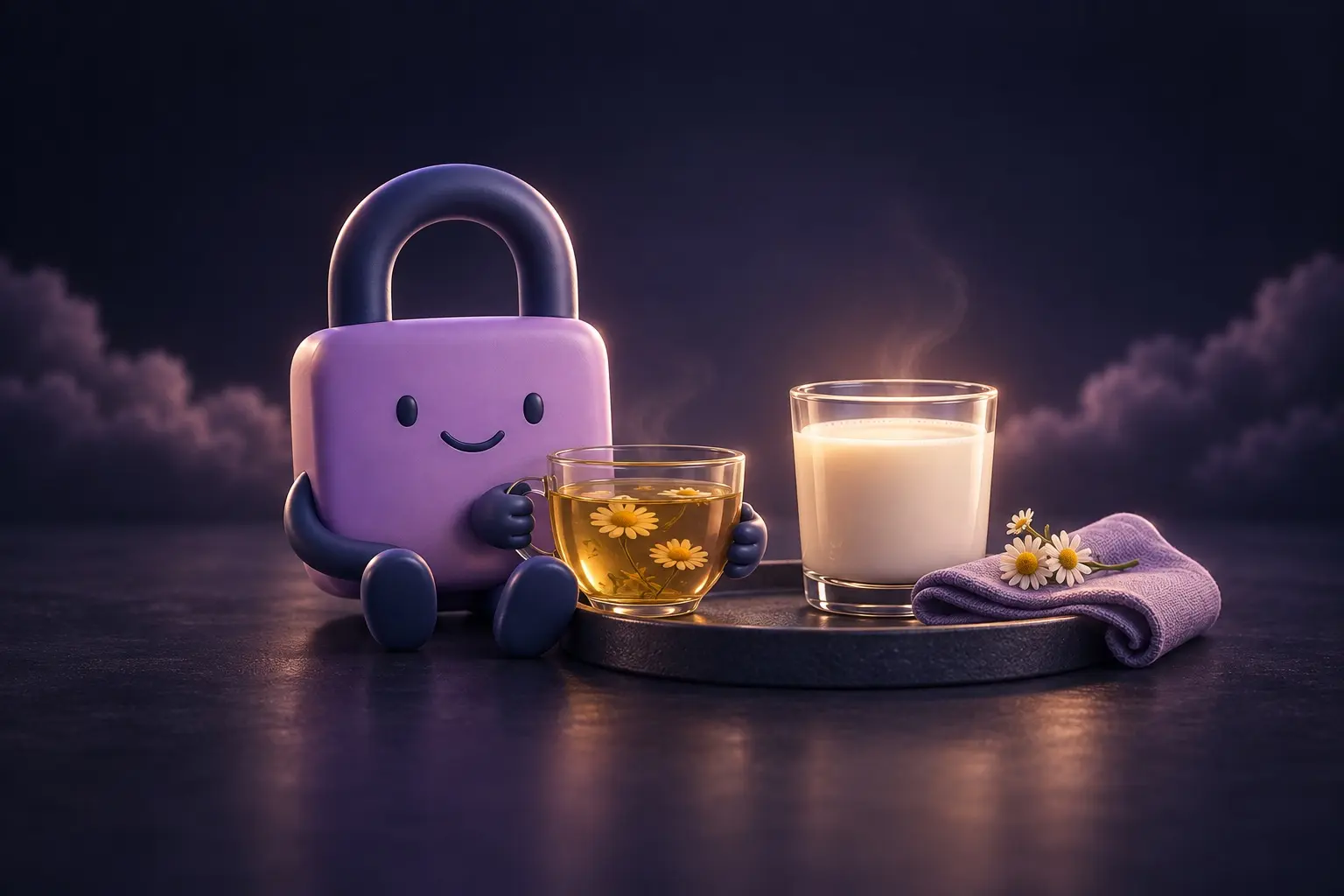
Chamomile Tea
Strong EvidenceContains apigenin, an antioxidant that binds to GABA receptors in the brain, promoting sleepiness. Studies show it reduces sleep latency and improves sleep quality, especially in elderly and postpartum women.
How to use: Steep 1-2 tea bags in hot water for 5 minutes. Drink 30-60 minutes before bed. Use caffeine-free varieties only.
Tart Cherry Juice
Strong EvidenceNaturally contains melatonin and tryptophan. Studies show it increases sleep time by 85 minutes and improves sleep efficiency. Also has anti-inflammatory properties.
How to use: Drink 8 oz (240ml) twice daily—once in morning, once 1-2 hours before bed. Choose 100% tart cherry juice without added sugar.
Warm Milk
Moderate EvidenceContains tryptophan (a precursor to melatonin) and calcium. The psychological comfort and warm temperature contribute to effectiveness. Science is mixed on tryptophan levels being high enough to matter, but the ritual effect is real.
How to use: Warm 8 oz (240ml) milk (not boiling). Add honey or cinnamon if desired. Drink 30-60 minutes before bed.
Passionflower Tea
Moderate EvidenceIncreases GABA levels in the brain. Studies show it improves sleep quality and reduces anxiety. Particularly helpful for people with racing thoughts at bedtime.
How to use: Steep tea for 10 minutes in hot water. Drink 45 minutes before bed. Start with half cup to assess tolerance.
Valerian Root Tea
Moderate Evidence (Mixed)Traditional sleep aid that may increase GABA and serotonin. Studies are inconsistent—works well for some, not others. May take 2-4 weeks of regular use to see benefits. Strong earthy taste.
How to use: Steep for 10-15 minutes. Drink 1-2 hours before bed. Pair with peppermint or chamomile to improve taste. Use consistently for best results.
Banana Smoothie
Moderate EvidenceBananas contain magnesium, potassium, and tryptophan—all promoting muscle relaxation and sleep. Blending with milk adds calcium. Provides gentle carbs that support tryptophan transport to brain.
How to use: Blend 1 banana with 8 oz milk (dairy or almond) and optional honey. Drink 60-90 minutes before bed. Keep portion moderate to avoid blood sugar spike.
Trendy Sleep Drinks: Do They Work?
Recent social media trends have popularized new sleep drink combinations. Here's what actually works:
'Sleepy Girl Mocktail' (Tart Cherry + Magnesium)
Actually WorksTart cherry juice + magnesium powder + sparkling water. Both ingredients have sleep benefits. Magnesium promotes GABA activity and muscle relaxation. This combination has scientific merit.
Moon Milk (Warm Milk + Spices)
Mostly RitualAyurvedic drink with milk, turmeric, cinnamon, ashwagandha. The milk and warmth help, but exotic spices add minimal sleep benefit. Works primarily through ritual and warmth.
CBD-Infused Drinks
Mixed EvidenceCBD may reduce anxiety, which can improve sleep indirectly. However, evidence is preliminary and dosing is inconsistent in commercial products. Expensive with uncertain benefits.
Bone Broth
PlausibleContains glycine, an amino acid that may improve sleep quality by lowering core body temperature. Warm and comforting. Limited but positive research.
Drinks That Ruin Sleep (Avoid These)
These beverages sabotage sleep and should be avoided in the hours before bed:
Coffee and Caffeinated Tea
Caffeine blocks adenosine receptors, preventing sleep pressure buildup. Half-life is 5-6 hours, meaning afternoon coffee still affects nighttime sleep. Cut off caffeine by 2 PM.
Alcohol
Despite making you drowsy initially, alcohol fragments sleep architecture, reduces REM sleep, and causes middle-of-night awakenings. Also increases bathroom trips.
Energy Drinks
Combine caffeine with sugar and stimulants. Massive sleep disruptors. Effects can last 8-12 hours.
Sugary Drinks
Cause blood sugar spikes and crashes that can wake you during the night. Also stimulate the body rather than calm it.
Large Amounts of Any Liquid
Even water in excess before bed guarantees nighttime bathroom trips that fragment sleep. Limit fluids 2 hours before sleep.
Protein Shakes
High protein content requires significant digestion, which can keep your body active when it should be resting.
How to Create Your Perfect Sleep Drink
You can design an effective sleep beverage based on your preferences and needs:
Choose Your Base
Warm water, warm milk (dairy or plant-based), herbal tea, or tart cherry juice
Add Sleep-Promoting Ingredients
Chamomile tea bag, magnesium powder (200-400mg), honey (1 tsp for blood sugar stability), cinnamon (anti-inflammatory)
Optimize Timing
Drink 30-90 minutes before bed—long enough to avoid bathroom trips but close enough to bedtime for effects
Keep Volume Reasonable
8-12 oz (240-350ml) maximum to avoid middle-of-night bathroom visits
Make It a Ritual
Prepare your drink the same way each night as part of your wind-down routine. Consistency reinforces the sleep association.
Example Recipe: Science-Based Sleep Elixir
Ingredients: 1 cup chamomile tea + 1/4 cup tart cherry juice + 200mg magnesium glycinate powder + 1 tsp honey
Steep chamomile for 5 minutes, add other ingredients while warm, stir well, drink 60 minutes before bed.
Important Considerations and Cautions
Before adding sleep drinks to your routine, keep these points in mind:
- Herb-drug interactions: Valerian, passionflower, and chamomile can interact with sedatives, antidepressants, and other medications. Consult your doctor if you take prescription drugs.
- Pregnancy and breastfeeding: Many herbal teas lack safety data for pregnancy. Stick to proven-safe options or consult your healthcare provider.
- Allergies: Chamomile is related to ragweed and can trigger allergies in sensitive individuals.
- Quality matters: Choose organic, third-party tested products when possible. Herbal supplements are loosely regulated.
- Consistency required: Many herbal sleep aids need regular use for 2-4 weeks before full effects appear.
- Not a replacement: Sleep drinks support good sleep hygiene but don't replace proper sleep schedule, dark room, and screen-time management.
The Best Sleep Drink Is Part of a Bigger Routine
Sleep-promoting beverages can genuinely help—especially tart cherry juice, chamomile tea, and magnesium-containing drinks. The science supports their use as part of a comprehensive sleep hygiene approach.
However, no drink will overcome poor sleep habits. If you're drinking chamomile tea at 10 PM but scrolling your phone until midnight, the tea won't save you. Combine sleep drinks with consistent bedtimes, a dark and cool room, and limited evening screen time.
Start with one evidence-based option (tart cherry juice or chamomile tea), use it consistently for 2 weeks, and track your sleep. If it helps, keep it as part of your routine. If not, try another option. The best sleep drink is the one that works for your body and becomes a calming ritual you look forward to each night.
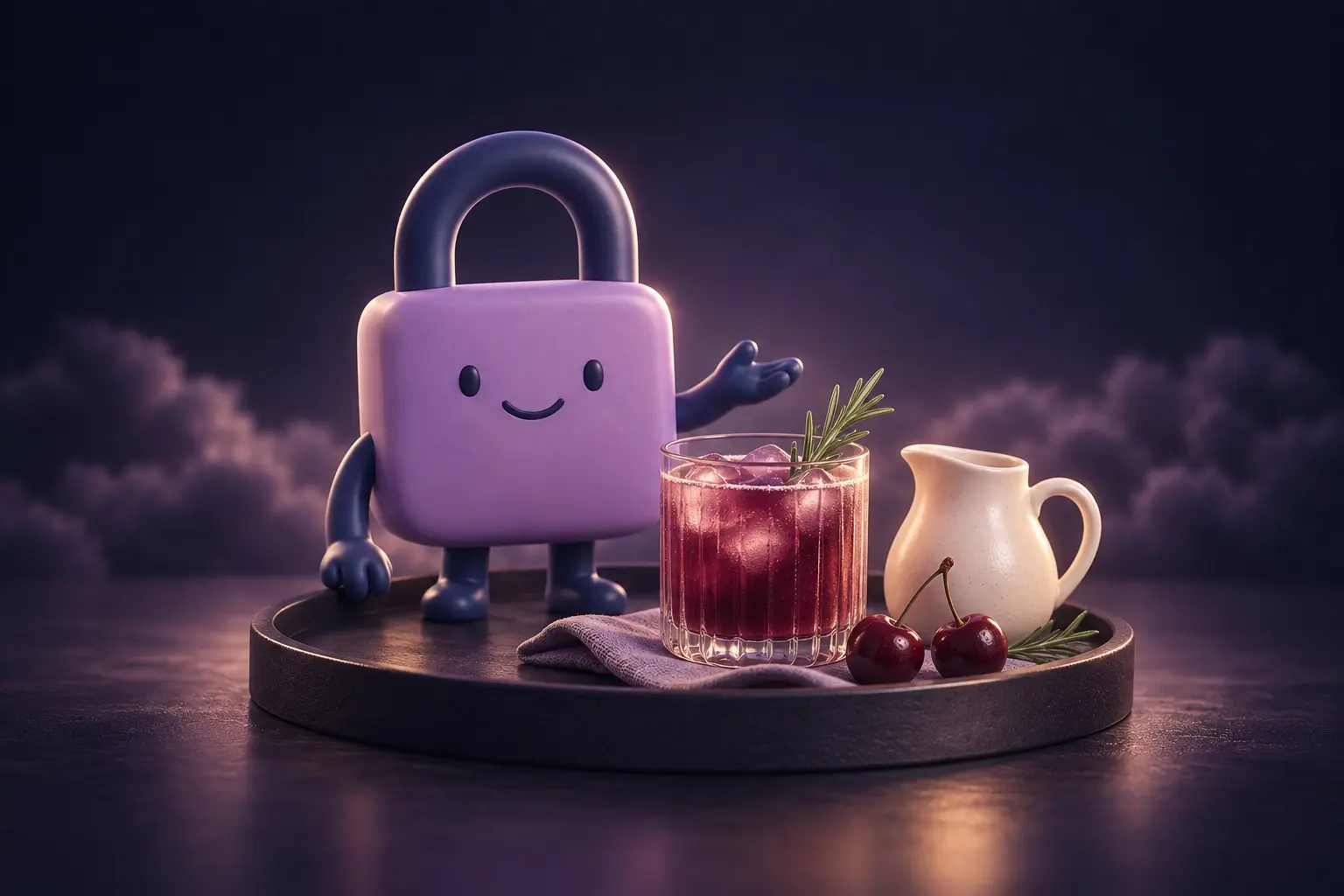
Sleep Mocktails: 5 Science-Backed Bedtime Drink Recipes for Better Sleep
Alcohol ruins sleep quality. But 'sleep mocktails' made with the right ingredients can actually help you sleep better. Here are scientifically-proven ingredients and practical recipes.
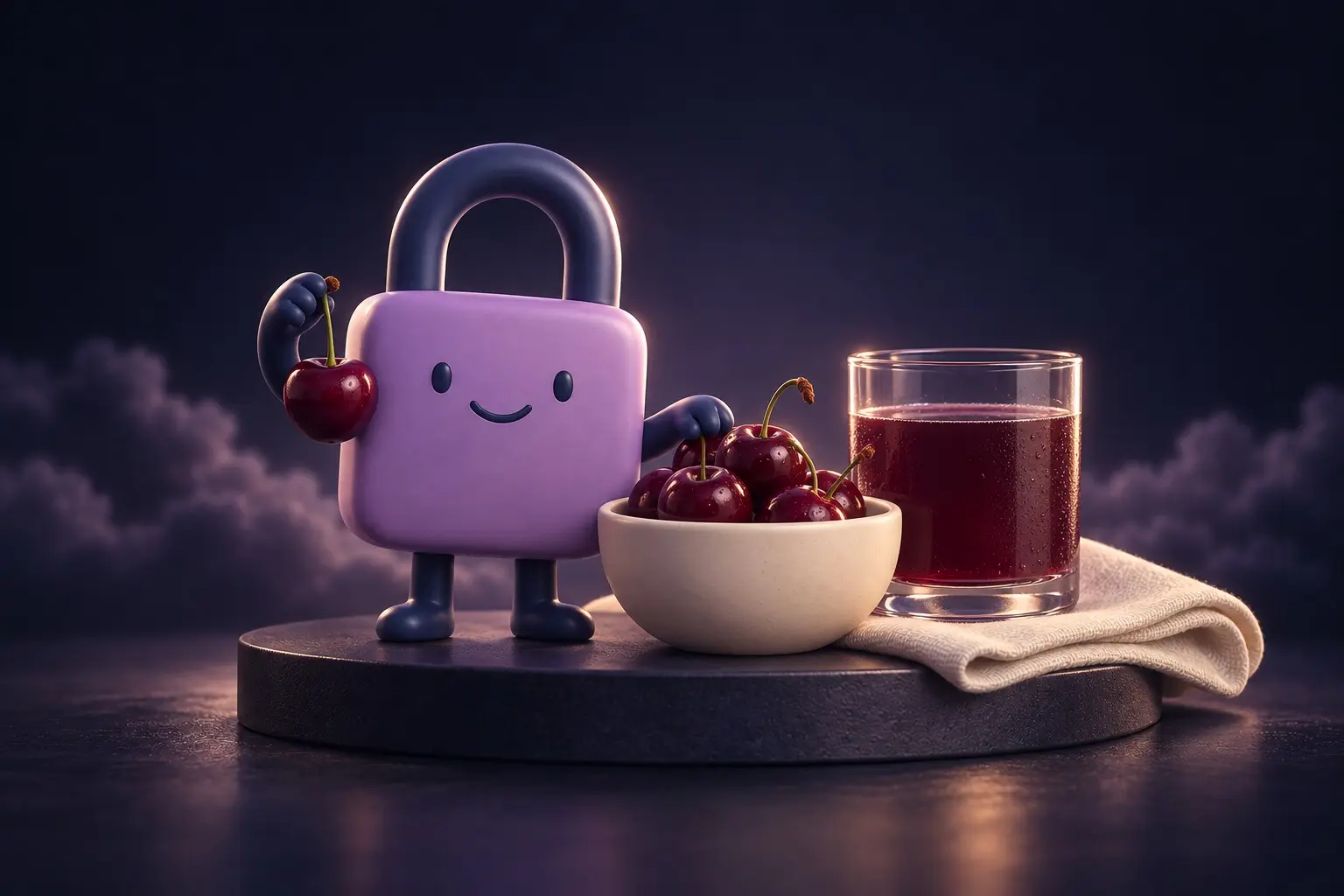
Tart Cherry for Better Sleep: What Science Really Says
Tart cherry has gained popularity as a natural sleep aid, with many claiming it helps improve sleep quality. But what does the medical evidence actually say? Let's dive into the science behind this superfood and whether it truly deserves a place in your bedtime routine.
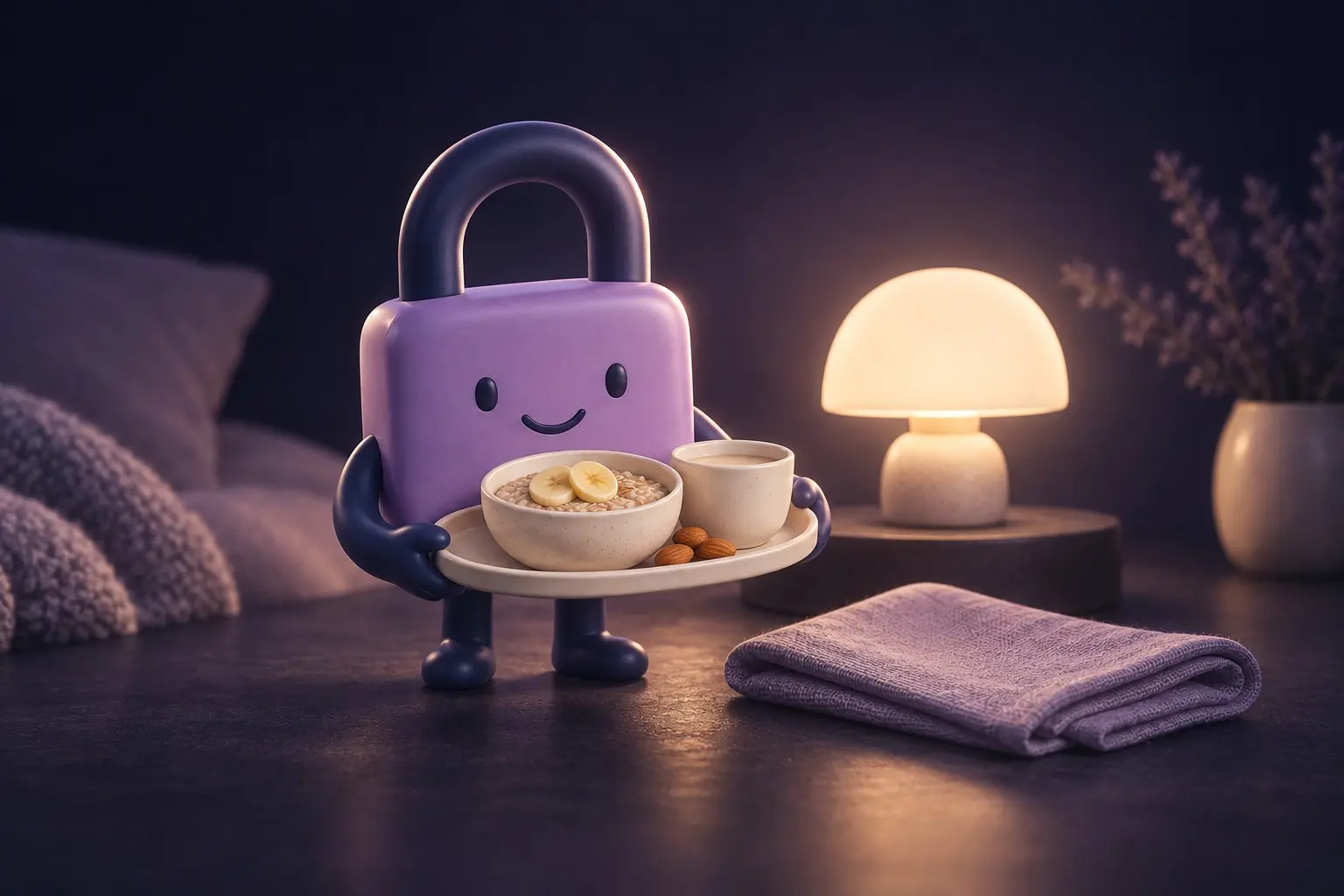
Foods You Can Eat Before Bed: Discover What Helps You Sleep Better
Late-night hunger can be frustrating, especially when you're trying to get quality sleep. The good news is that not all foods disrupt your sleep—some can actually help you drift off faster and sleep more soundly. Let's explore what you can safely eat before bed and which foods are best for promoting restful sleep.
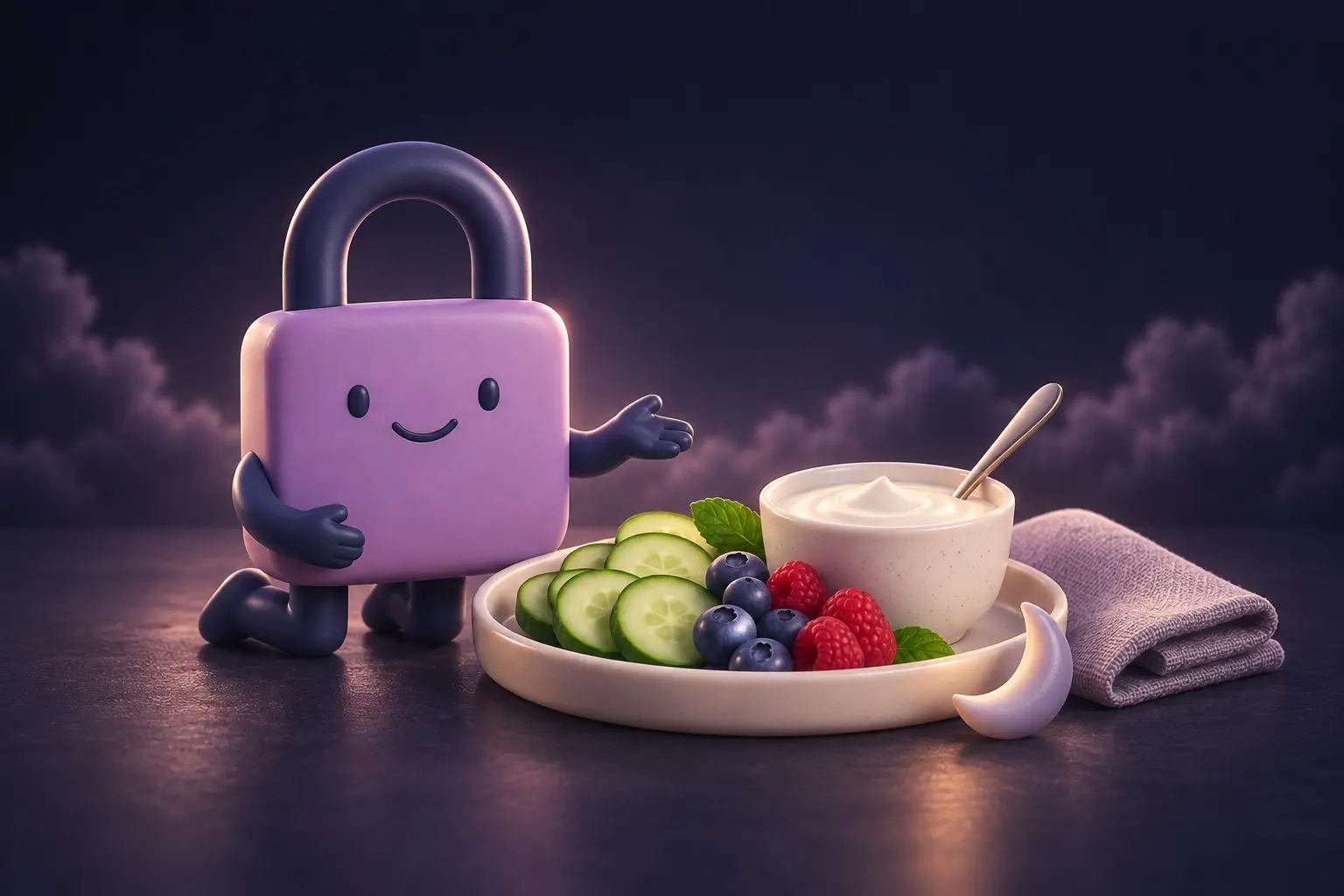
Low-Calorie Healthy Snacks for Dieters: What Are Your Options?
Snacking while on a diet doesn't have to mean derailing your progress. In fact, smart snacking can help maintain steady blood sugar levels, prevent overeating at meals, and even support better sleep. The key is choosing nutrient-dense, low-calorie options that keep you satisfied without the guilt. Let's explore the best healthy snacks for your weight loss journey.
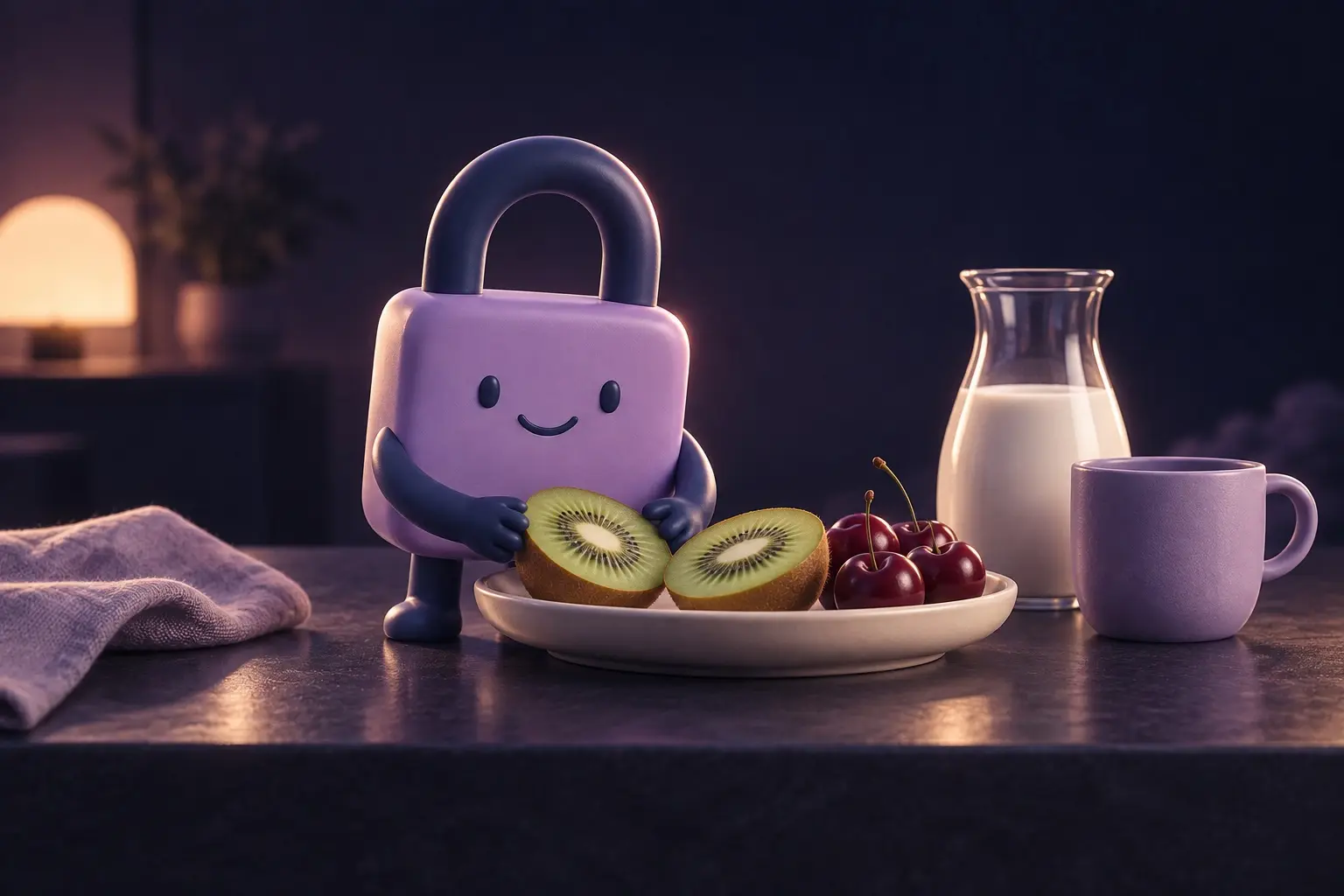
Beat Insomnia with Food: Best Foods for Better Sleep
Struggling to fall asleep? Before reaching for medication, check your diet first. Certain foods can promote sleep hormone production and calm your nerves for natural sleep. Let's explore foods that are effective for improving insomnia.
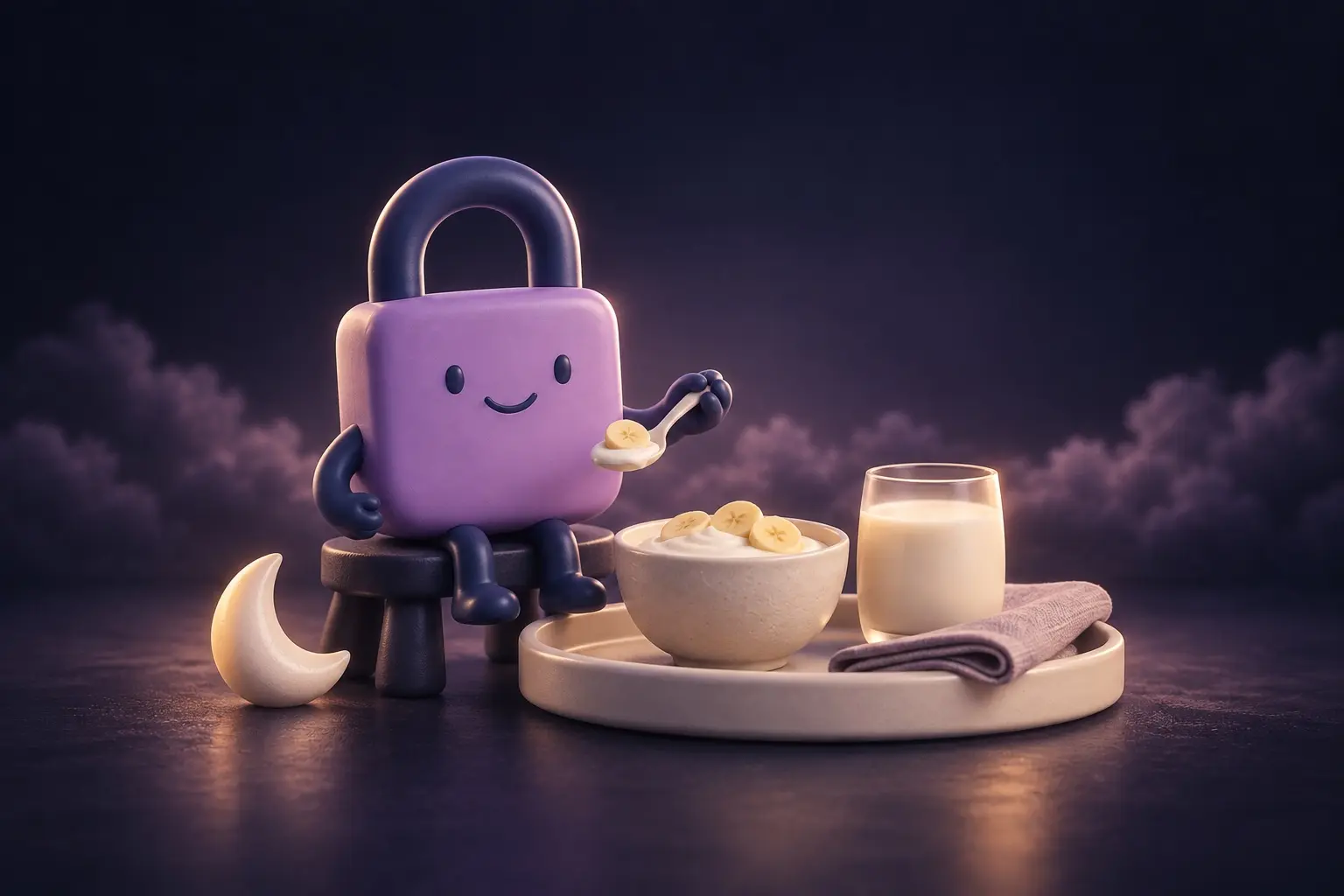
Best Foods to Eat When Hungry Before Bed: A Guide to Sleep-Friendly Snacks
Being hungry before bed makes it hard to fall asleep. However, eating the wrong foods can actually harm your sleep quality. This guide introduces optimal late-night snacks that satisfy hunger without disrupting your sleep.