Exploding Head Syndrome: When Your Brain Goes Bang at Night
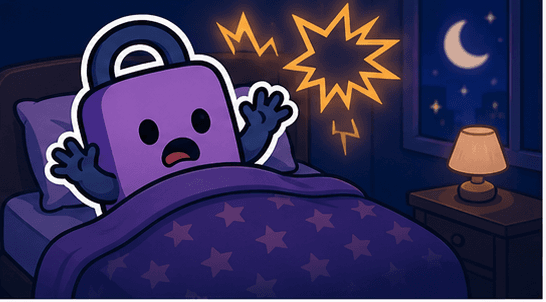
Have you ever been jolted awake by a loud bang, crash, or explosion in your head, only to find everything is completely silent? You're not alone. This strange phenomenon is called Exploding Head Syndrome, and while it sounds alarming, it's more common than you might think.
What is Exploding Head Syndrome?
Exploding Head Syndrome (EHS) is a type of parasomnia—an unusual experience that occurs during the transition between waking and sleeping.
Loud Noises
Hearing a sudden, loud noise like an explosion, gunshot, cymbal crash, or door slamming
Painless Experience
Despite the intensity, there's no actual pain involved
Brief Duration
The sound lasts only a fraction of a second
Sometimes Visual
May be accompanied by a flash of light
Sleep Transition
Usually occurs while falling asleep or waking up
What Causes It?
The exact cause isn't fully understood, but researchers have several theories.
Neural Misfiring
The brain may fail to properly shut down during sleep transition, causing neurons to fire unexpectedly
Inner Ear Issues
Sudden shifts in middle ear components during sleep may trigger the sensation
Stress and Fatigue
Episodes are more common during periods of stress, irregular sleep, or exhaustion
Sleep Deprivation
Lack of sleep can increase the likelihood of experiencing EHS
Who Gets It?
EHS can affect anyone, but some groups are more susceptible.
Age Range
Most commonly reported in people over 50, but can occur at any age
Gender
Studies suggest women may experience it slightly more often
Stress Levels
Higher during stressful life periods
Sleep Issues
More common in people with other sleep disorders
Is It Dangerous?
The good news: Exploding Head Syndrome is completely harmless.
- It's not a sign of brain damage or disease
- It doesn't cause any physical harm
- It's not related to seizures or strokes
- Episodes often decrease over time
- Many people only experience it a few times in their life
How to Reduce Episodes
While there's no specific treatment, these strategies may help.
Improve Sleep Hygiene
Maintain regular sleep schedules and create a relaxing bedtime routine
Reduce Stress
Practice relaxation techniques like meditation or deep breathing
Get Enough Sleep
Ensure you're getting adequate rest each night
Limit Stimulants
Reduce caffeine and avoid it in the evening
Stay Calm
Understanding that it's harmless can reduce anxiety about episodes
When to See a Doctor
- •Episodes are very frequent or distressing
- •Accompanied by other sleep problems
- •Causing significant anxiety or fear of sleep
- •Occurring with headaches or other symptoms
- •Significantly affecting your quality of life
Understanding Brings Peace
Exploding Head Syndrome can be startling, especially if you don't know what it is. Many people worry they're experiencing something serious when they first encounter it.
Now that you know it's a harmless quirk of the brain during sleep transitions, you can rest easier. Focus on good sleep habits, manage stress, and know that episodes typically become less frequent over time.
⚠️ Important Notice
This article is for informational purposes only and is not a substitute for professional medical advice, diagnosis, or treatment. If you suspect you have a sleep disorder or any health condition, please consult a doctor or sleep specialist.

Take the First Step to Better Sleep
Build healthy sleep habits with Good Night Lock.
Download Good Night LockRelated Articles
The Complete Guide to Insomnia: Causes, Symptoms, and Scientifically Proven Treatments
Do you find yourself staring at the ceiling every night, tossing and turning? Does it take you more than 30 minutes to fall asleep, or do you keep waking up in the early morning? Insomnia, experienced by 1 in 3 adults worldwide, isn't just about 'not being able to sleep.' Let's explore the scientific causes of insomnia through to evidence-based treatments.
Complete Guide to Narcolepsy: Symptoms, Causes, Diagnosis, and Treatment
Sudden overwhelming sleepiness, knees buckling while laughing... Narcolepsy isn't just 'being sleepy.' It's a neurological disorder caused by hypocretin deficiency. Learn everything about this condition that affects 1 in 2,000 people.
The Complete Guide to Snoring: Causes, Risks, and Solutions
Do you wake your partner every night with thunderous snoring? Or have you ever been startled awake by your own snoring? Snoring isn't just a noisy nuisance—it can be a signal of underlying health issues. About 40% of adults worldwide snore habitually, and some cases involve serious sleep apnea. Let's explore everything from the causes of snoring to effective treatments.
Orthosomnia: When Sleep Tracking Disrupts Your Sleep
Do you feel more anxious after checking your sleep score on your smartwatch? Has your pursuit of perfect sleep actually made it harder to sleep? This is 'Orthosomnia.' As sleep tracking devices become mainstream, we explore this modern sleep disorder that has emerged from our obsession with sleep data.
Awake Until Dawn? It Could Be Delayed Sleep Phase Syndrome (DSPS)
Do you try to fall asleep every night but can't until 2-3 AM, and then struggle terribly to wake up in the morning? If being a 'night owl' is seriously disrupting your daily life, you might have Delayed Sleep Phase Syndrome (DSPS).
Why Can't I Sleep? Understanding Insomnia and Sleep Disorders
Lying in bed but can't fall asleep? Does trying harder to sleep only make you feel more awake? Learn about the causes and solutions to this common problem faced by many modern people.